
Measles outbreak: What to know to stay protected
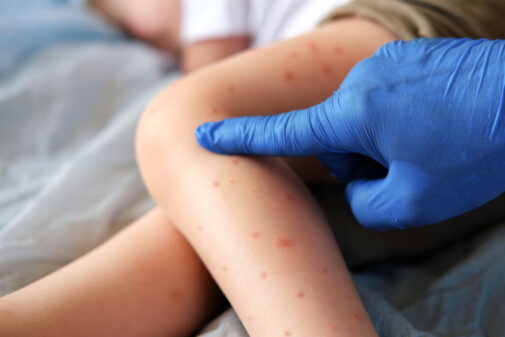
As of early February, there are over 700 confirmed measles cases across 20 states in the U.S. Fortunately, there are a few ways you can keep your family healthy during the measles outbreak.
What is measles?
The highly contagious airborne virus spreads through respiratory droplets from coughing, sneezing, speaking and touching contaminated surfaces. Measles can live in the air for up to two hours after an infected person is no longer present.
“Measles transmits easily from person to person through the air. A person can spread measles four days before they are even aware they’re infected,” explains Dr. Kevin Dahlman, the pediatrics medical director at Aurora Health Care.
Initial symptoms of infection, which may appear up to three weeks after becoming infected, include a runny nose, high fever, fatigue, cough, and red, watery eyes. The most distinct sign of measles is a rash with raised bumps that typically originates on the face and spreads to the neck, trunk, arms, legs and feet.
“Complications of measles can include ear infections, diarrhea and subsequent dehydration. Even more severe complications can arise, such as pneumonia, brain swelling and death,” Dr. Dahlman says.
Measles can be serious for a person of any age, but complications are even more likely in children under 5 years of age, pregnant women and those with compromised immune systems.
How to prevent measles
Since measles can spread so quickly, preventive steps can significantly help keep the community safe.
“Our best line of defense against measles is vaccination. The measles, mumps and rubella (MMR) vaccine is highly effective at preventing measles when you receive the recommended two doses,” Dr. Dahlman urges.
The first dose is typically administered when a child is 12 to 15 months old, and the second is given at 4 to 6 years old. Talk to your child’s pediatrician if you have any questions about the vaccine.
Additionally, staying home when sick, masking appropriately and practicing proper hand hygiene can help protect infants and children as well as others who are not immune to measles. These practices help protect those who are most vulnerable, like babies too young for the first dose of the vaccine.
“We need more than 95% of the community protected through the MMR vaccine to stop the transmission of measles,” Dr. Dahlman explains. “If you aren’t sure if you’ve had the vaccine, talk with your doctor. Ensuring you have the vaccine is a simple but important step in helping to keep everyone safe.”
Are you trying to find a pediatrician? Find one in Illinois or Wisconsin.
Related Posts


Comments
About the Author

Lee Batsakis, health enews contributor, is a public affairs coordinator with Advocate Children’s Hospital. She graduated from Western Michigan University with a degree in public relations and has worked in health care since 2013. Outside of work, she enjoys reading, exercising, and spending time with her fiancé and two dogs.